Expert Advice on Air Conditioning Black Mold Dust Removal
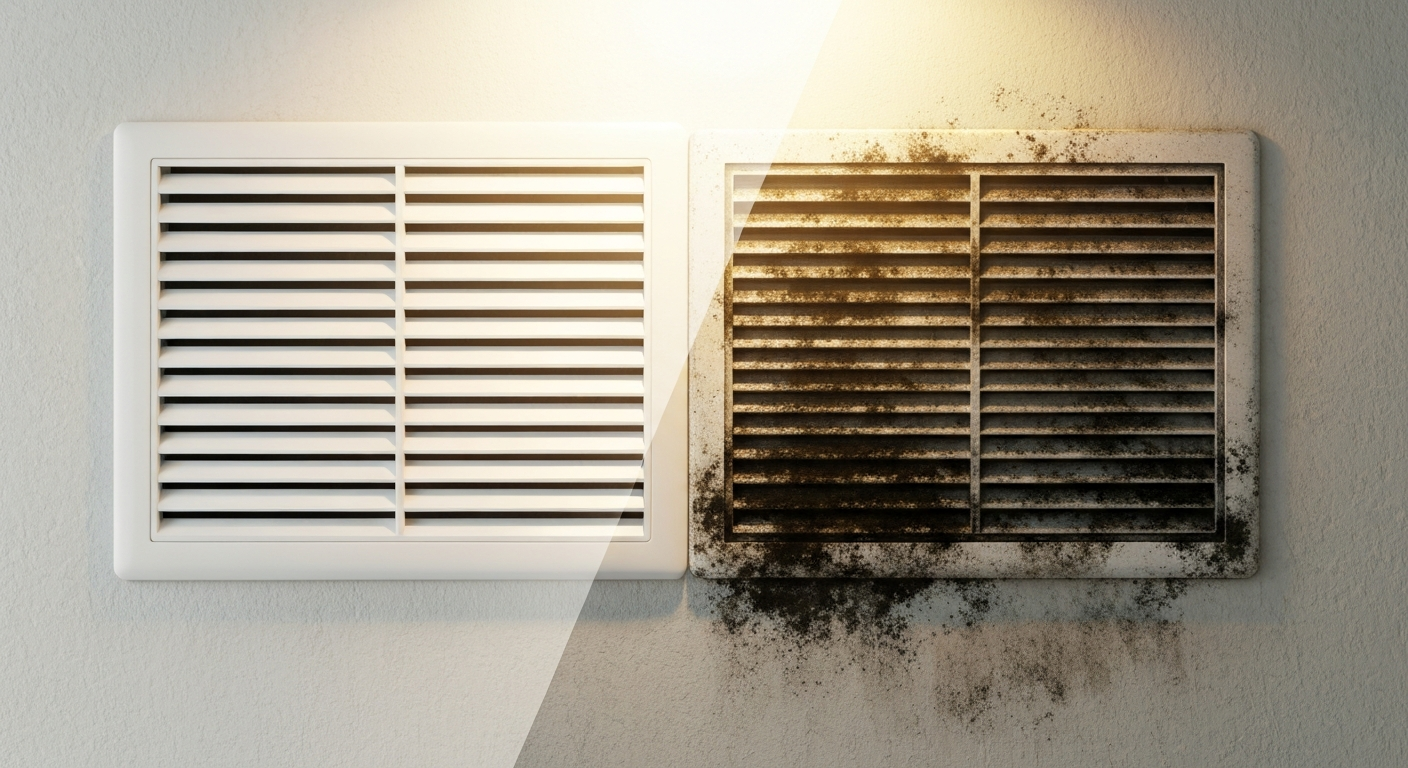
Black residue in your AC isn't just dirt — it's embodied institutional gaslighting.
When you see black dust, mold, or soot blowing from your air conditioning, your body knows something is wrong. But when landlords say "it's normal," property managers claim "we inspected it last year," or contractors dismiss it as "just dust," the harm compounds: physical symptoms merge with psychological erosion. You begin doubting your own senses before doubting their negligence.
This post examines black AC discharge through the lens of environmental gaslighting and health-based coercion. Whether you're documenting patterns of neglect, navigating unresponsive housing authorities, or trying to understand why air quality complaints feel so personally invalidating, this guide gives you the framework to distinguish legitimate maintenance delays from systemic denial — plus safe, legal pathways to protect your health without risking retaliation or housing stability.
⚠️ Health & Safety Notice: Black AC discharge can indicate toxic mold, asbestos, carbon monoxide, or electrical fire risk. Do NOT attempt DIY cleaning or inspection. Contact licensed HVAC professionals and environmental testers immediately. If experiencing acute symptoms (dizziness, nausea, respiratory distress), seek medical care first. This post addresses institutional response patterns, not remediation techniques.
1. Why Air Quality Complaints Feel Like Gaslighting
Beyond Particles: The Embodied Experience of Neglect
Air quality issues trigger unique psychological harm because they attack the most basic survival need: breathable space. Three factors amplify the trauma:
- Invisibility of threat: Mold spores, VOCs, and particulates are often unseen. Your body reacts before your eyes confirm danger. Denial exploits this sensory gap.
- Chronic low-dose exposure: Symptoms accumulate gradually. By the time you connect illness to environment, self-doubt has already taken root ("Maybe I'm just sickly").
- No escape within home: Unlike noise or temperature, air permeates every surface. Sanctuary becomes source of harm. Restorative rest becomes impossible.
When Maintenance Neglect Becomes Coercive Control
| Institutional Tactic | What It Looks Like | Psychological Function |
|---|---|---|
| Minimization | "It's just dust," "All old buildings have this," "You're overreacting" | Invalidates bodily knowledge; transfers blame to perceiver |
| Performative Compliance | Superficial filter change without system inspection; paperwork filed but no action | Creates appearance of responsiveness while maintaining status quo |
| Documentation Erasure | Lost work orders, verbal-only responses, no written record of complaints | Prevents pattern recognition; makes each complaint feel isolated |
| Retaliatory Framing | Rent increases after complaints, lease non-renewal hints, "problem tenant" labeling | Punishes advocacy; induces silence through fear of housing loss |
| Expertise Weaponization | Hired contractor says "no problem found"; tenant's doctor dismissed as "not an HVAC expert" | Uses credential asymmetry to override lived experience |
If you recognize two or more tactics, your frustration isn't oversensitivity. It's accurate perception of institutional gaslighting. The problem isn't your response — it's the system demanding you accept unhealthy conditions as normal.
2. Building Evidence When Bodies Are Dismissed
Air quality gaslighting thrives on ephemerality and medical uncertainty. Systematic documentation bridges the gap between symptom and proof.
The Environmental Health Log
Track exposures and impacts with this structure (digital spreadsheet + photos preferred):
- Date/Time: Exact timestamp of visible discharge, odor onset, or symptom flare.
- Visual Evidence: Photos/video of black residue on vents, filters, surfaces (include ruler for scale).
- Symptom Correlation: Headache, cough, fatigue, skin irritation — note severity (1-10) and duration.
- Medical Documentation: Doctor visits, diagnoses, prescriptions linking symptoms to environmental exposure.
- Communication Record: All complaints sent/received (save emails, texts, voicemail transcripts).
- Third-Party Corroboration: Guests' reactions, neighbor reports, delivery personnel comments.
Pattern Thresholds That Demand Escalation
- Visible discharge + health symptoms persisting >2 weeks = urgent hazard, not routine maintenance
- Multiple units reporting similar issues = systemic failure, not isolated incident
- Symptoms improve away from home, return upon re-entry = building-related illness confirmation
- Management acknowledgment without remediation timeline = bad faith delay
- Retaliatory actions post-complaint = coercive escalation requiring legal intervention
This log serves triple purposes: internal validation ("My body isn't lying"), medical support (doctor evidence), and external leverage (housing authorities, health departments, legal counsel).
3. Advocacy Strategies That Protect Health and Housing
For Tenants Experiencing Air Quality Neglect
- Name the dynamic explicitly: "This pattern constitutes environmental gaslighting and habitability violation" removes ambiguity from complaints.
- Demand written timelines: Verbal assurances vanish. Email creates record. Include specific inspection date, tester name, remediation deadline.
- Invoke health frameworks: Doctor's note + local health department complaint shifts conversation from preference to public health mandate.
- Build collective voice: Neighbor documentation defeats isolation tactic. Joint letters carry more weight than individual pleas.
- Know legal baselines: Most jurisdictions guarantee "warranty of habitability." Cite statute, not just feeling. Breathable air isn't luxury — it's legal minimum.
- Protect yourself during advocacy: Keep copies off-site. Use encrypted communication. Assume surveillance if retaliation suspected.
For Property Managers & Landlords
- Acknowledge before investigating: "We believe you're experiencing harmful conditions; we're taking this seriously" validates before problem-solving.
- Hire independent testers: Tenant-paid or third-party environmental assessment builds trust faster than landlord-selected contractors.
- Provide temporary relief: Air purifiers, hotel vouchers, rent abatement during remediation. Goodwill costs less than litigation or health crises.
- Create feedback loop: Weekly update email to affected units. Silence breeds conspiracy theories and eroded trust.
- Audit for bias: Review complaint response times across demographics. Environmental neglect often correlates with tenant profile.
4. Beyond the Vent: Air Quality as Social Justice Issue
Black AC discharge isn't isolated. It's one manifestation of how environmental burden distributes along power lines:
- Rental housing: Low-income units receive deferred maintenance; premium properties get proactive care. Class determines breathability.
- Workplaces: Warehouse/factory workers absorb industrial air; executives breathe filtered office air. Occupational hierarchy encoded in lungs.
- Schools: Underfunded districts tolerate mold/asbestos; wealthy districts remediate immediately. Educational inequality inhaled daily.
- Environmental racism: Industrial zones sited near marginalized communities; clean air treated as privilege, not right.
Learning to distinguish legitimate maintenance delays from embodied institutional gaslighting builds critical literacy applicable across all domains. The medium changes; the function persists: making some bodies absorb toxicity so others can operate unimpeded.
Conclusion: Breathable Air Is a Right, Not a Negotiation
Black AC discharge can be routine dirt. It can also be embodied institutional gaslighting sustained by systemic neglect. The difference lives in acknowledgment, transparency, remediation speed, and respect for bodily knowledge.
Spaces that honor your humanity offer clean air and accountable response. Spaces that exploit your tenancy offer contamination wrapped in bureaucracy. Naming the difference doesn't just restore breathable space — it restores your rightful claim to inhabit your own home without negotiating for biological necessity.
About the author: SEO HOBBY EXPERT researches how environmental hazards function as coercive control in rental housing and institutional settings. This analysis combines environmental health science with established frameworks in trauma psychology and tenant rights advocacy. Last updated: August 2026.
Health Resources: EPA Indoor Air Quality Info: epa.gov/iaq | Local Health Department Directory: NACCHO LHD Directory
Related Reading
- Environmental gaslighting mirrors interpersonal manipulation — learn to spot 10 warning signs of manipulative behavior before self-doubt takes root.
- Healthy institutions don't require respiratory surrender — explore the art of influence without coercion.
- Controlling tendencies encode themselves as infrastructure — see how in Controlling Tendencies Exposed.
- Documenting environmental harm requires clear communication — practice how to protect yourself from institutional neglect.


Comments
Post a Comment