No Camera Allowed: Concerts, Museums, Courts—Explained
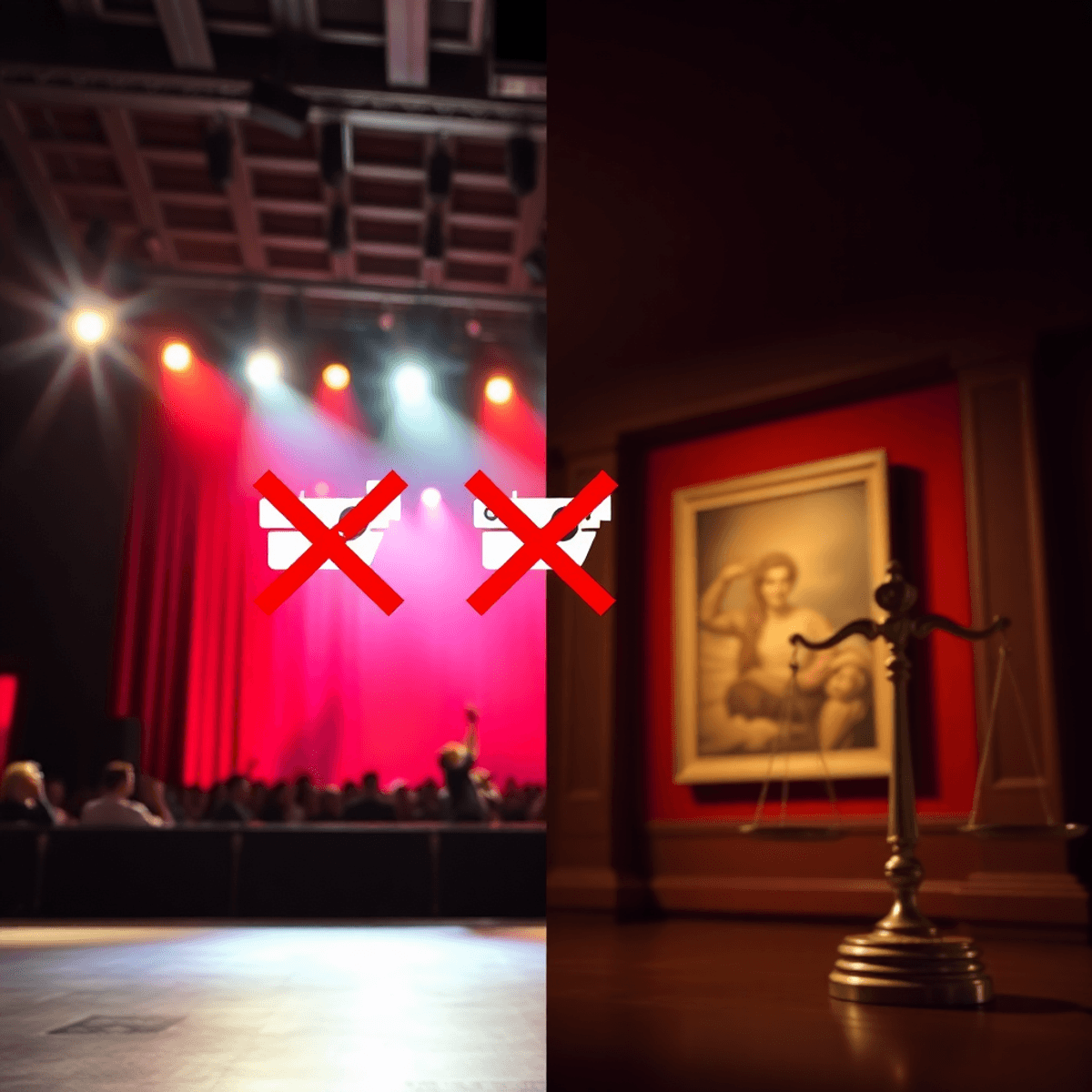
A vibrant concert stage with bright spotlights, a softly lit museum gallery with framed art, and a balanced scale symbolizing justice, all blended with crossed-out camera icons.

The phrase "no camera allowed" is common in many venues, from museums and concert halls to courtrooms. These photo restrictions serve specific purposes tailored to each environment. For social media influencers and AI influencers who rely heavily on visual content, these rules can feel limiting or challenging.

You might wonder why such policies exist and how they affect your ability to capture and share moments. These restrictions are not arbitrary. They aim to protect intellectual property, maintain safety, preserve the integrity of experiences, and comply with legal requirements.

For influencers navigating these limitations, understanding the reasons behind them opens up opportunities to adapt content creation strategies effectively. You can still engage your audience without violating policies or risking penalties. This article will explore the rationale behind no-camera rules across different venues. It will also offer practical advice on how influencers—both human and AI-driven—can work within these boundaries to create meaningful, ethical content.

However, it's important to note that while some places have strict no-camera policies, there are environments where surveillance is key for safety and security. In such cases, effective CCTV home security becomes essential. Moreover, with the rise of technology, we are seeing robust bullet cameras that provide high-quality images and AI-driven night guard systems that enhance security during nighttime hours.

Furthermore, the integration of perimeter security with CCTV systems is becoming increasingly popular as it provides an additional layer of protection. Understanding these advancements in security technology can help influencers and content creators navigate their environments more effectively while also respecting the no-camera policies in place.


Understanding 'No Camera Allowed' Policies

Venues implement camera restrictions and photography rules for several critical reasons that protect various interests involved in the event or location.

Key reasons for camera bans include:

  • Protecting intellectual property: Artists, performers, and institutions rely on controlling how their work is shared. Unauthorized recordings or photos can lead to copyright infringement, loss of revenue, or dilution of creative rights.
  • Ensuring visitor safety: Some venues restrict large or professional camera equipment because it can obstruct pathways, cause trip hazards, or interfere with emergency procedures. For instance, wire-free security cameras are often preferred in such situations as they do not pose a physical obstruction.
  • Maintaining event integrity: Live experiences such as concerts and exhibitions aim to offer an immersive atmosphere. Flash photography or distracting equipment can disrupt not only the performance but also other attendees’ enjoyment.
  • Complying with legal requirements: Courts and certain private events enforce strict bans on recording devices to protect privacy, confidentiality, and the security of proceedings. Such environments often require advanced security measures to ensure compliance and safety.

Exceptions to these policies are often granted selectively:

  • Accredited media personnel usually receive permissions after meeting specific criteria. This may involve credentials verification, adherence to designated shooting areas, or usage restrictions.
  • Individuals who obtain special permissions through prior application processes might be allowed limited photography for professional or commercial purposes under controlled conditions.

Understanding these foundational reasons behind venue policies helps you appreciate the balance between access and protection. It also prepares you for adapting your content creation approach when entering spaces with strict camera restrictions.


No Camera Allowed at Museums

Museum photography policy exists primarily to safeguard priceless artwork and to preserve the quality of the visitor experience. Flash photography ban is a common feature in many museums, implemented to prevent damage caused by intense or repeated exposure to light, which can accelerate deterioration of delicate paintings, textiles, and other artifacts.

Key reasons for photography restrictions in museums:

  • Artwork protection: Light from camera flashes can cause fading, discoloration, and material breakdown over time. Museums prioritize conservation efforts by limiting exposure.
  • Visitor experience: Excessive photography can create noise, distractions, and crowding that disrupt other visitors’ enjoyment.
  • Preserving exhibit integrity: Some exhibits include fragile installations or interactive elements sensitive to disturbance by cameras or tripods.

Most museums allow personal photography under strict conditions:

  • Non-flash photos are often permitted in designated areas.
  • Large professional cameras, tripods, selfie sticks, and video equipment are usually prohibited without explicit permission.
  • Commercial or professional photo shoots require prior approval—this may involve permits and fees.

Social media and AI influencers face particular challenges within these limitations. Creating compelling visual content becomes difficult when flash use is banned and large equipment is disallowed. Influencers must adapt their content strategies by:

  • Utilizing natural lighting to capture images.
  • Focusing on close-ups of plaques, textures, or visitor reactions rather than the artwork itself.
  • Sharing stories or written impressions alongside limited photos.
  • Seeking official permissions for special shoots well in advance.

AI-generated imagery offers another alternative. By using digital recreations or stylized interpretations inspired by museum collections, influencers can engage audiences creatively without violating museum photography policies.

Understanding these rules helps you respect museum guidelines while still crafting meaningful content that connects your audience with cultural heritage. However, it's important to remember that not all museums enforce these rules strictly. Some institutions have begun experimenting with advanced technologies such as CCTV security cameras which could potentially allow for more flexible photography policies. Additionally, with the right security measures in place, museums might be able to accommodate certain types of photography without compromising the safety of their collections.


No Camera Allowed at Concerts

Concert venues often enforce a concert camera ban to prevent unauthorized recording and distribution of live performances. The primary goal is to protect artist rights and revenue by limiting the potential for illegal sharing of concert footage or audio. This restriction helps maintain the exclusivity and value of the live experience for both artists and ticket holders.

Typical Policies at Concerts

Typical policies you may encounter at concerts include:

  1. Prohibition of cameras with detachable lenses or professional video equipment, which are seen as tools for high-quality unauthorized recordings.
  2. Allowance of small, non-professional cameras or smartphones for personal use, though flash photography is usually banned to avoid disrupting performers and other attendees.
  3. Ban on additional accessories like tripods, monopods, or selfie sticks, which can obstruct views or pose safety hazards in crowded venues.

Navigating Restrictions as Influencers and Attendees

Influencers and attendees must navigate these restrictions carefully. Capturing live moments ethically means respecting the venue’s rules while still sharing authentic experiences with followers. Options include:

  • Using smartphones discreetly without flash for short clips or photos.
  • Focusing on crowd reactions, venue atmosphere, or merchandise rather than direct performance shots.
  • Leveraging official content released by artists or promoters to complement personal posts.

Adhering to these guidelines preserves the concert environment and supports artists’ creative work while allowing influencers to engage their audiences responsibly.

The Impact of Technology on Camera Usage Perception

Interestingly, the rise of technology has also influenced how we perceive camera usage in various settings. For instance, the advent of AI CCTV cameras has revolutionized security measures in different venues. These advanced systems not only enhance security but also provide a wealth of data that can be utilized for various purposes, including monitoring crowd behavior at large events like concerts.

Moreover, with the increasing need for safety and security in public spaces, understanding how to use portable CCTV cameras effectively is becoming more important. Such devices can serve as valuable tools in ensuring safety without infringing on personal space or privacy.

As we continue to navigate through this digital age, mastering the use of CCTV security cameras will be essential. Whether it's for personal use at home or for larger scale event security, understanding their functionality will play a crucial role in our overall safety and security.


No Camera Allowed in Courts

Courts enforce strict court camera ban policies to uphold privacy protection and maintain the legal integrity of judicial proceedings. The presence of cameras can pose significant risks:

  • Privacy concerns: Court cases often involve sensitive personal information about plaintiffs, defendants, witnesses, and jurors. Unauthorized photography or recording can expose private details, potentially endangering individuals or influencing public opinion prematurely.
  • Security risks: Cameras may distract or intimidate participants, affecting testimony accuracy or courtroom behavior. Visual documentation could be misused to harass or threaten those involved.
  • Preserving legal process integrity: Uncontrolled recording might disrupt the solemnity and order required in courts. It also risks undermining fair trial principles if footage is edited or shared irresponsibly.

Violating court camera policies carries serious consequences:

  1. Legal penalties such as fines, contempt of court charges, or even criminal prosecution depending on jurisdiction.
  2. Potential nullification of evidence collected improperly through unauthorized recordings.
  3. Damage to the credibility of the legal system and erosion of public trust in judicial outcomes.

Courts typically prohibit all forms of photography, video recording, and audio capture unless expressly authorized by a judge for specific purposes. This zero-tolerance approach emphasizes respect for the judicial environment and those participating in it.

For influencers and attendees alike, understanding these restrictions is crucial to avoid unintended legal troubles while respecting the sanctity of courtrooms. Adhering strictly to no-camera rules not only protects individual privacy but also preserves the fairness and dignity essential to justice.

In contrast to the restrictions in courtrooms, CCTV cameras have become an essential part of home security systems. They serve as a deterrent against potential threats while ensuring that privacy is maintained in personal spaces. Understanding the basics of CCTV security can help homeowners make informed decisions about their security needs.

Moreover, with advancements in technology, night CCTV cameras have become essential for monitoring properties after dark. Homeowners often wonder which CCTV camera is best for house, a question that requires careful consideration of various factors including location, lighting conditions, and specific security needs.

It's crucial to note that while CCTV cameras are beneficial for security purposes, they still come with their own set of privacy concerns if not used responsibly. For instance, CCTV camera images showing in other locations can lead to unauthorized access to personal data if proper safeguards are not implemented.


Navigating Photo Restrictions as a Social Media or AI Influencer

Understanding and respecting influencer guidelines and venue photography policies is crucial when attending events or locations with camera restrictions. While you may take photos for personal documentation, public sharing is often prohibited in venues such as museums, concerts, or courts. This distinction allows you to document your experience without violating policies.

Key practices for influencers include:

  • Research venue rules thoroughly. Before attending, check the official website or contact the venue directly to clarify their camera and photography policies. Some venues specify whether photos are allowed, what equipment is permitted, and whether publishing content requires prior approval.
  • Obtain necessary permissions. When planning professional or commercial content creation, secure written consent from venue management. This may involve applying for media accreditation or a special permit, which protects you legally and may grant access to otherwise restricted areas.
  • Balance content with compliance. Respecting no-photo zones maintains good relationships with venues and artists while preserving your credibility as an influencer. Being transparent about restrictions in your posts can also educate your audience about these important considerations.

Ethical Alternatives to Unauthorized Photography

When photos are not permitted, avoid posting unauthorized images that might breach venue policies or copyright laws. Instead, share your experience through these alternative formats:

  • Sketches or illustrations inspired by the event or exhibit
  • Detailed written descriptions that convey atmosphere and highlights without images
  • Audio recordings (where permitted) capturing ambient sounds or interviews
  • Behind-the-scenes insights and personal reflections that do not rely solely on visuals

Navigating these restrictions demands planning and adaptability. By aligning your content strategy with venue expectations, you maintain ethical standards while still producing engaging material for your followers.

Additionally, understanding the capabilities of CCTV technology can be beneficial in these scenarios. For instance, using smart search features can help monitor motion events in restricted areas, ensuring compliance with venue policies while still capturing valuable content. Furthermore, exploring different types of thermal imaging could open up new avenues for content creation in unique settings where traditional photography is restricted.


Leveraging AI Influencers Amid Photography Restrictions

AI influencer content strategies present a unique opportunity to navigate the challenges posed by "no camera allowed" policies in venues like museums, concerts, and courts. Instead of relying on physical photography, influencers can use AI-generated images and simulations to create engaging virtual content that respects venue restrictions.

Benefits of AI-Generated Content:

  • Bypass Physical Limitations: Since no actual cameras are used on-site, AI-generated visuals do not violate any "no camera allowed" rules.
  • Creative Freedom: AI tools enable creation of stylized or hyper-realistic representations inspired by experiences without reproducing exact real-world images.
  • Enhanced Audience Engagement: Virtual content can be interactive or animated, providing followers with fresh ways to experience events or locations digitally.

Practical Applications for Influencers:

  1. Virtual Re-creations: Use AI models to simulate artworks, concert atmospheres, or courtroom scenes based on memory or descriptions, offering immersive storytelling without direct photography.
  2. Augmented Reality (AR) Experiences: Integrate AI-generated elements into AR filters or apps that audiences can explore remotely, extending content reach beyond physical visit constraints.
  3. Illustrative Content Formats: Convert impressions into digital sketches or animations enhanced by AI tools which convey mood and context while respecting intellectual property and privacy concerns.

Moreover, leveraging advancements in areas like AI object detection, influencers can further enhance their virtual content creation process. This technology allows for more accurate and detailed virtual representations, providing an even richer experience for the audience.

AI-driven virtual content creation encourages ethical engagement with venues enforcing strict photo bans. It shifts focus from capturing raw footage to crafting inspired interpretations that stimulate imagination and discussion among followers.

This approach aligns well with evolving trends in influencer marketing where authenticity blends with innovation. By adopting AI influencer content strategies, creators maintain compliance without sacrificing creativity or connection with their audience.


Exceptions and Special Permissions for Influencers

Certain influencers, especially those involved in media and professional content creation, may qualify for exceptions to the typical "no camera allowed" policies. These exceptions usually depend on media accreditation and formal permissions granted by the venue or event organizers.

Media Accreditation: How It Works

Media accreditation is a process through which journalists, photographers, and videographers obtain official credentials to access events or venues for professional coverage. Here's how it typically works:

  1. Application Process: Journalists, photographers, and videographers often need to apply for media credentials well before the event or visit. This process requires submitting identification, proof of affiliation with a recognized media outlet, and details about intended coverage.
  2. Approval Criteria: Venues assess applications based on factors like the nature of the media outlet, scope of coverage, and adherence to ethical guidelines. Approval grants access to restricted areas and permission to use professional equipment that is otherwise banned.
  3. Usage Restrictions: Even with accreditation, there are usually strict limits on what can be captured and how it may be used. Content must respect copyrights, privacy rules, and venue policies.

Securing Approvals for Professional Shoots

Professional photo or video shoots often require additional permissions beyond media accreditation. Here's what you need to know:

  1. Advance Booking: Professional photo or video shoots require detailed proposals outlining the shoot’s purpose, equipment list, crew size, and timing. Venues often demand this information weeks ahead to coordinate logistics and ensure minimal disruption.
  2. Contracts and Fees: Permissions typically come with contracts specifying usage rights, exclusivity clauses, and financial terms such as location fees or royalties.
  3. Compliance Monitoring: Venue staff may supervise shoots to enforce policy adherence. Unauthorized deviations can lead to immediate revocation of permissions or legal consequences.

Temporary Exhibition Bans and Heightened Restrictions

Temporary exhibitions frequently impose stricter controls than permanent collections due to loan agreements with lenders or the fragility of displayed items. Here's what influencers should be aware of:

  1. Photography bans during these periods can be absolute, disallowing even casual snapshots that are normally permitted elsewhere.
  2. Special events—such as premieres, openings, or private viewings—often tighten restrictions further to protect exclusivity or commercial interests.

Ignoring these heightened rules risks penalties ranging from fines to expulsion from the venue. Influencers should always verify temporary exhibition policies before planning content around such events.

Navigating these exceptions requires careful preparation but offers opportunities to create high-quality content legally and ethically. Understanding media accreditation processes and respecting temporary exhibition bans ensures influencers maintain positive relationships with venues while producing engaging material for their audiences.


Conclusion

Understanding the no camera allowed policies is essential for anyone involved in content creation, especially social media and AI influencers. These rules are not arbitrary restrictions but carefully crafted measures to:

Respecting these boundaries requires a balance between your creative ambitions and ethical responsibility. When you navigate these constraints thoughtfully, you foster trust with artists, venues, and audiences alike.

Key reminders for influencers:

  1. Always research specific venue policies before attending
  2. Seek permission or accreditation when necessary
  3. Explore alternative content formats that do not violate rules (like sketches, AI-generated images, or narrative storytelling)
  4. Acknowledge the importance of protecting experiences that are meant to be exclusive or private

Adhering to no camera allowed policies can feel limiting at times, but it also challenges you to innovate your approach to content creation. Responsible behavior enhances your credibility and helps maintain positive relationships that open doors for future collaborations.

“Creativity thrives within constraints.” — Embrace the challenge by respecting no camera allowed guidelines while finding new ways to engage your audience meaningfully.

This no camera allowed summary highlights the significance of ethical content production as a pathway toward sustainable influence in spaces where photography is restricted. The respect you show today builds trust for tomorrow’s opportunities.

Comments

Popular posts from this blog

Mastering Communication: Alternative Terms for 'Manipulative'

Eliminating Negative Thoughts: Tips for a Positive Mindset

Transparent Colors: The Secret to a Modern Condo Makeover