Through-the-Floor Lift Glitch: Elevator Error Explained
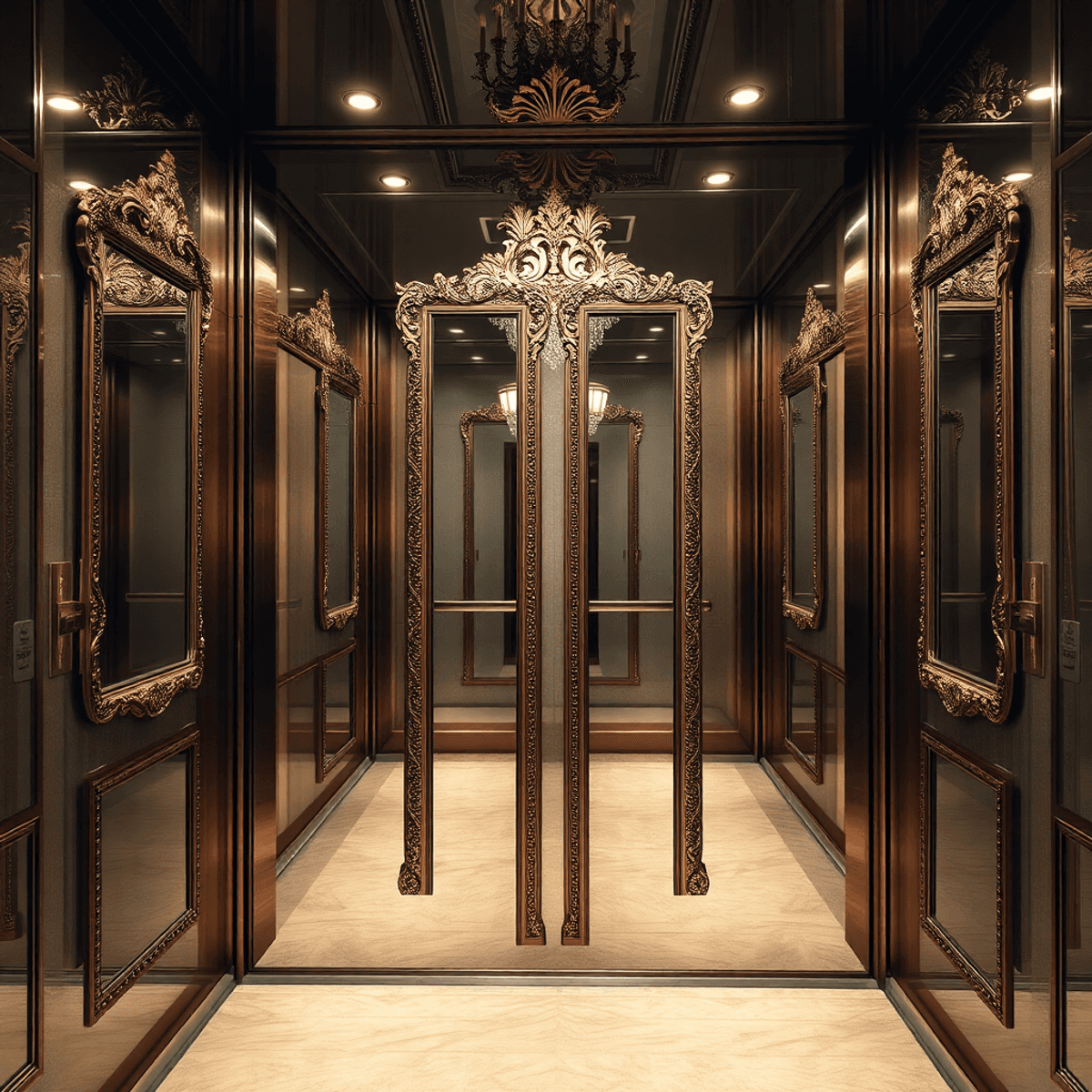
The through-the-floor lift glitch stands out as a rare yet profoundly unsettling elevator error. Unlike common malfunctions, this phenomenon creates an illusion where passengers feel as if the elevator floor vanishes beneath their feet, evoking a sense of free fall or sudden drop. Such experiences are not only startling but can severely impact passenger confidence in elevator safety.
Mirrors, particularly Venice mirrors in elevators area, play a subtle but powerful role in shaping how this glitch is perceived. Known for their intricate designs and reflective beauty, these mirrors often adorn elevator interiors and adjacent spaces as part of sophisticated Elevator Decoration schemes. While enhancing aesthetics and spatial perception under normal conditions, Venice-style mirrors may inadvertently amplify the disorienting effects during a through-the-floor glitch by distorting visual cues crucial for balance and orientation.
This article delves into the anatomy of the through-the-floor lift glitch: its underlying technical causes, the psychological impact on passengers, and the unique interplay with reflective surfaces such as Venice mirrors in elevators. Attention extends beyond mechanics to explore safety protocols, design challenges, and security considerations that arise when modern elevator technology intersects with classic decorative elements.
In light of these security considerations, it's worth exploring how advanced AI CCTV cameras can enhance safety in such settings. These cameras offer features like wire-free security and night vision capabilities, making them essential tools for monitoring both elevator usage and surrounding areas.
For homeowners looking to bolster their security measures, understanding the secrets to effective CCTV home installation is crucial. Furthermore, with the advent of technology, the market is witnessing a shift towards more portable CCTV solutions, which offer flexibility without compromising on quality.
Understanding Elevator Errors
Elevator systems work through a combination of mechanical parts and complex software control. When these components fail, different types of elevator errors occur, disrupting the smooth movement between floors.
Common Types of Elevator Errors
- Floor Misalignment: One of the most concerning elevator errors happens when the cab doesn't perfectly line up with the landing floor. This can create a step up or down that becomes a tripping hazard or makes passengers feel unsteady.
- Door Malfunctions: Doors that don't open or close completely, or open at inappropriate times, increase safety risks and disrupt operations.
- Unexpected Stops: Sudden halts between floors caused by mechanical or electronic problems cause anxiety and confusion among riders.
Mechanical Issues Behind Floor Misalignment
Mechanical issues can include wear and tear on guide rails, misaligned counterweights, or problems in the hoisting machinery itself. These issues affect how accurately the elevator car positions itself relative to each floor.
- Guide rails ensure vertical movement remains smooth and precise; any deformation leads to alignment discrepancies.
- Hoisting mechanisms, including cables and pulleys, require regular maintenance to prevent slack or jerks that could shift floor levels unexpectedly.
Software Issues: Sensor Failures and Control System Bugs
Elevators heavily depend on sensors for positioning and safety interlocks. These sensors provide data to control systems that manage acceleration, deceleration, and door operations.
Sensor Failures
Faulty sensors may give incorrect readings about the elevator's exact position within the shaft.
- A broken proximity sensor might fail to signal when the cab reaches a floor.
- Optical or magnetic sensors could be affected by dust or electrical interference.
Control System Bugs
The software algorithms controlling movement can have bugs—coding mistakes that cause improper commands.
- A bug could misinterpret sensor inputs, causing doors to open too early or late.
- Timing logic faults might lead the elevator car to overshoot its designated stop point.
These technical failures combine mechanical imprecision with incorrect data interpretation, resulting in malfunctions like the unsettling through-the-floor lift glitch.
To address some of these problems, integrating advanced technologies such as AI-powered object detection in CCTV can improve monitoring and maintenance processes. This technology enables more accurate tracking of elevator performance and quick identification of potential issues before they escalate into major malfunctions.
Furthermore, implementing AI night guard systems can provide round-the-clock surveillance of elevator shafts and control rooms, ensuring immediate response in case of any irregularities.
In addition to these advancements, integrating perimeter security measures around elevator access points can further enhance safety by preventing unauthorized entry and potential misuse of the elevators.
Moreover, using CCTV camera images showing live feeds from inside the elevators can provide valuable insights into how they are being used and help identify patterns that lead to common errors.
Lastly, leveraging technology for an easy smart search for motion events can streamline investigations into specific incidents involving elevators.
Understanding the Through-the-Floor Lift Glitch
The through-the-floor lift glitch is a rare yet striking elevator malfunction where the floor inside the elevator appears to vanish or misalign dramatically, creating an unsettling impression of falling through solid ground. Passengers often describe this experience as an eerie visual and physical sensation, with the elevator seemingly descending beyond its intended stopping point. This perception distortion is intensified when combined with reflective surfaces such as a Mirror In Lift, which can amplify illusions of depth and spatial confusion.
What Passengers Experience
When this glitch occurs, passengers may encounter the following:
- Visual cues: The floor may appear to drop away or become transparent, revealing mechanical components or a dark void beneath.
- Physical sensations: Some passengers report a brief feeling of sinking or imbalance, triggered by the mismatch between expected floor position and actual elevator movement.
- Psychological impact: This glitch often provokes panic or disorientation, as it disrupts the fundamental trust in elevator safety and stability.
Why Does It Happen?
The through-the-floor lift glitch is often caused by failures in critical elevator systems:
- Sensor Errors: Elevators rely on multiple sensors to detect floor alignment precisely. Faulty sensors can send incorrect position data to the control system, causing the cabin to stop slightly above or below the landing level.
- Door Mechanism Failures: The synchronization between door operation and cabin positioning is crucial. Malfunctioning door interlocks might initiate door opening commands prematurely before the elevator fully reaches a floor, exposing gaps beneath passengers' feet.
- Control System Bugs: Software glitches within the elevator's control algorithms may misinterpret sensor inputs or timing signals, resulting in erratic stopping behavior that creates an illusion of floor disappearance.
How Do Passengers React?
The sudden visual anomaly created by this glitch tends to trigger strong psychological reactions:
“It felt like the ground just gave way under me.”
Such experiences can impair balance and induce fear, sometimes leading to abrupt movements inside a confined space. Panic responses can escalate risks if passengers attempt hurried exits or lose composure.
This phenomenon underscores the importance of rigorous maintenance protocols aimed at sensor calibration and door mechanism integrity. Understanding how through-the-floor effects manifest from technical faults helps improve safety measures and passenger reassurance strategies during unexpected elevator errors.
Safety Measures for Building Management
In light of such safety concerns, it's essential for building management to implement comprehensive security measures. This could include CCTV intrusion detection and prevention systems that monitor elevator functionality and ensure immediate response during malfunctions.
Moreover, with the alarming rise of fake CCTV, ensuring the authenticity of security cameras becomes paramount. Utilizing advanced technology such as thermal imaging can also enhance security measures by providing detailed surveillance data.
Role of Mirrors in Elevator Areas
Mirrors have long been a staple in elevator design, serving both practical and aesthetic purposes. The presence of a mirror in elevator cabs or adjacent elevators area creates an illusion of expanded space within confined quarters, alleviating feelings of claustrophobia among passengers. By reflecting light and surroundings, these surfaces transform small cabins into seemingly larger environments, enhancing comfort during vertical transit.
Common Reasons for Installing Mirrors in Elevators
- Space Enhancement: Reflections trick the eye, making compact spaces feel less restrictive.
- Safety and Security: Passengers gain increased visibility inside the cab, which can deter misconduct. This aspect is particularly beneficial when coupled with advanced surveillance systems such as CCTV, which further enhance safety by monitoring activities within the elevator.
- Aesthetic Appeal: Mirrors contribute to sleek, polished interiors that elevate a building’s image.
Among various designs, the Venice mirror in elevators area stands out, especially in luxury or historic buildings where opulence intertwines with functionality.
Characteristics of Venice-Style Mirrors
Originating from Venetian glassmaking traditions, these mirrors feature intricate frames often adorned with delicate floral motifs, gold leaf accents, and baroque-inspired carvings. Their presence within an elevator setting signifies:
- Cultural Heritage: Reflecting artisanal craftsmanship dating back centuries.
- Luxury Statement: Signaling exclusivity through ornate decoration uncommon in standard commercial elevators.
- Historic Ambiance: Complementing architecture that preserves classical or Renaissance influences.
Images of Venice Mirror in Elevators Area frequently showcase elaborate borders encasing crystal-clear reflective surfaces, merging artistry with utility. These mirrors become focal points that enrich the passenger experience beyond mere function.
Effects of Reflective Surfaces on Spatial Perception
Elevator wall mirrors and elevator cab mirrors interact dynamically with passenger movement and lighting conditions. They can:
- Create depth illusions making the interior appear elongated.
- Duplicate visual cues causing momentary confusion about cabin dimensions.
- Enhance brightness by bouncing artificial light within otherwise dim shafts.
While advantageous under normal circumstances, these reflections can complicate perception during elevator malfunctions such as the through-the-floor glitch. The interplay between mirrored surfaces and unexpected mechanical errors intensifies sensory ambiguity experienced by users.
Interaction Between Mirrors and Elevator Glitches
Elevator interiors featuring Venice mirrors introduce a complex interplay between aesthetics and perception, particularly during rare technical malfunctions like the through-the-floor lift glitch. These mirrors are not merely decorative elements; they have the potential to amplify visual illusions in elevators, transforming a mechanical error into an unsettling sensory experience.
Optical Illusions Created by Venice Mirrors
Venice mirrors, with their ornate frames and multiple reflective surfaces, produce layered reflections that can confuse the eye. When an elevator experiences a floor misalignment glitch, passengers may witness reflections that appear to extend below the actual floor level, creating an impression of infinite depth or a void beneath their feet. This phenomenon is a result of:
- Multiple angles reflecting simultaneously
- Overlapping images generated from complex mirror cuts
- Reflections of elevator lighting interacting unpredictably with floor gaps
The resulting mirror-induced disorientation can make it seem as if the floor has vanished or opened beneath passengers—a terrifying illusion that reinforces feelings of instability. Anecdotal reports describe moments when riders felt they were falling through space when in reality the elevator was momentarily stuck between floors.
"Passengers often report a surreal sensation akin to standing on glass above an abyss, fueled by reflections doubling the apparent depth."
Distorted Depth Perception and Passenger Reactions
Depth perception relies heavily on visual cues from surroundings. The intricate reflections from Venice mirrors interfere with these cues during glitches:
- Reflections create false horizons or edges where none exist
- Symmetrical patterns confuse spatial orientation, making it hard to judge real vs reflected distances
- Sudden movements of the elevator combined with shifting light angles exacerbate perceptual errors
Passengers may react by gripping handrails tightly or stepping cautiously toward elevator doors, uncertain of stable footing. Some attempt an Elevator Mirror Selfie out of nervous curiosity, inadvertently capturing distorted images that highlight their own confusion within the mirrored space.
Design Challenges: Balancing Classic Aesthetics and Modern Technology
Integrating classic Venetian mirror designs into contemporary elevators demands careful consideration beyond style:
- Sensors and cameras must be calibrated to function accurately despite complex reflections
- Door mechanisms require fail-safes that accommodate possible optical confusion without compromising safety
- Interior lighting design must minimize harsh glares or shadows that enhance mirror illusions
- Emergency communication systems should address passenger distress potentially caused by visual disorientation
Architects and engineers face the task of preserving the luxurious ambiance imparted by Venice mirrors while ensuring these features do not undermine operational reliability or passenger confidence during anomalies.
The interaction between decorative mirror elements and elevator malfunctions reveals how sensory environments impact human perception in confined spaces. Understanding this relationship informs improvements in both design and technology aimed at reducing mirror-induced disorientation during elevator errors.
Security Concerns Related to Elevator Areas and Mirrors
Elevators with intricate designs and advanced features often have hidden floors that can only be accessed through secure keycard systems. This complexity introduces potential vulnerabilities that can be exploited in a global security scam or localized security scams in elevators. Unauthorized individuals may attempt to gain access to restricted areas by manipulating elevator controls or exploiting system weaknesses.
Hidden Floors and Access Control Risks
Many luxury buildings and hotels feature concealed floors or service levels accessible solely via electronic keycards. These floors may house sensitive operations, private amenities, or staff-only zones. If keycard systems are outdated or improperly configured, they become points of entry for unwanted guests who bypass standard security protocols. Hackers or scammers can target elevator control software, creating backdoors to these hidden areas without detection.
Mirrors as Tools in Security Scams
Mirrors, especially decorative ones like Venice-style mirrors, serve aesthetic purposes but can unintentionally aid fraudulent activities:
Reflective surfaces may conceal the presence of unauthorized individuals by distorting angles or hiding subtle movements near elevator doors. Scammers might use mirror reflections to observe keycard entry patterns unnoticed or to coordinate timing for unauthorized access. In some documented cases, mirrors have been strategically positioned to hide surveillance gaps, complicating monitoring efforts.
Necessity of Keycard System Updates
Maintaining robust security requires constant vigilance and technology upgrades:
Regular updates to keycard software help close vulnerabilities exploited in recent security scams. Enhanced encryption protocols prevent cloning or spoofing of keycards used for elevator access. Integration of biometric authentication with keycards adds an additional layer of verification against impostors. Periodic system audits ensure that access permissions remain current and that hidden floors do not become inadvertent loopholes.
These measures reduce risks associated with complex elevator configurations and the unintended security challenges posed by decorative elements such as mirrors, reinforcing safe environments within sophisticated buildings. For more comprehensive strategies on enhancing security measures, consider exploring resources like this ultimate guide on home security which includes valuable insights on CCTV security that could be beneficial in monitoring these sensitive areas. Additionally, staying informed about the future of security technologies can provide foresight into preventing potential breaches.
Fancy Elevator Interiors Featuring Venice Mirrors
Luxury elevator design has evolved beyond simple functionality, embracing aesthetics that transform vertical travel into an experience. The integration of Venice mirrors in elevators area is a distinctive trend that elevates the ambiance with refined elegance. These mirrors, prized for their intricate craftsmanship and ornate detailing, serve as focal points within fancy elevator interiors, marrying art with architecture.
Key Features of Luxury Elevator Design
1. Venetian Mirrors as Statement Elements
Crafted with hand-cut glass and embellished frames, Venetian mirrors add depth and sophistication. Their placement inside elevator cabs or adjacent lobbies not only enhances spatial perception but also reflects light, creating an inviting atmosphere. This decorative choice aligns well with historic or upscale properties seeking to maintain a classic aesthetic.
2. Infinity Mirror Elevators
A more modern innovation involves infinity mirror elevators, where multiple reflective surfaces face each other to produce seemingly endless tunnels of light. This optical illusion captivates passengers, providing a mesmerizing journey between floors. Configurations often include LED lighting integrated behind the mirrors to accentuate the effect, blending technology with artistry.
3. Fancy Elevator Doors
Doors clad with mirrored or mirrored-panel accents contribute to this luxurious feel. Beyond their visual appeal, these doors can be designed to conceal mechanical components, supporting a seamless interior look while ensuring operational integrity. Embellished trims or etched designs on the mirror surfaces further elevate the aesthetic.
Balancing Aesthetic and Safety
The incorporation of elaborate mirrors demands careful consideration of passenger safety and elevator functionality:
- Reflective surfaces must be treated to avoid glare or confusing reflections that could disorient users or obscure emergency instructions.
- Materials selected need durability and resistance to scratching or cracking under frequent use.
- Installation precision is critical; misaligned mirrors may amplify perceptual distortions, especially during technical glitches such as the through-the-floor lift error.
- Integration with elevator control systems requires ongoing maintenance to prevent sensor interference caused by reflective surfaces.
Enhancing Passenger Experience
A fancy elevator inside outfitted with Venetian or infinity mirrors invites passengers into a space that feels larger, more engaging, and thoughtfully designed. Such environments can reduce anxiety commonly associated with elevators by providing visual interest and distraction. However, designers must balance these immersive features against potential challenges posed by complex reflections during malfunctions.
The fusion of historic design elements like Venetian mirrors alongside cutting-edge effects such as infinity lighting defines a new era in elevator interiors—where beauty meets technology without compromising safety standards.
Passenger Experience and Safety Recommendations
The through-the-floor lift glitch introduces a profound element of passenger disorientation, especially when coupled with the presence of reflective surfaces such as Venice-style mirrors. Passengers may experience a sudden and unsettling sensation that the floor beneath them has vanished or shifted unnaturally. This psychological impact can trigger anxiety, panic attacks, or loss of balance, raising significant safety concerns in elevators.
Psychological Effects on Passengers
When faced with the through-the-floor lift glitch and the presence of Venice-style mirrors, passengers may experience various psychological effects:
- Visual Confusion: Mirrors reflect not only the physical space but also distort depth perception during elevator misalignment. The brain struggles to reconcile conflicting sensory inputs—what is seen versus what is felt—intensifying a sense of instability.
- Heightened Anxiety: A perceived threat to physical safety caused by visual illusions can lead to acute stress responses. Some passengers might freeze or attempt abrupt movements, which risk injury.
- Trust Erosion: Repeated exposure to such glitches can reduce confidence in elevator systems, affecting user behavior and willingness to use vertical transportation.
Practical Safety Advice for Users
In light of the potential psychological effects mentioned above, here are some practical safety tips for passengers when they encounter unusual reflections or sensations in an elevator:
- Pause and Assess: Take a moment to steady yourself physically and mentally. Avoid sudden movements.
- Focus on Physical Contact Points: Place hands firmly on handrails or walls to regain spatial orientation.
- Avoid Distracted Behavior: Refrain from using phones or engaging in activities that divide attention during rides.
- Alert Building Staff: Report any anomalies immediately through available communication devices within the elevator or upon exit.
- Use Emergency Features if Needed: If discomfort escalates, make use of emergency stop buttons or alarms to halt movement safely.
Maintenance Best Practices
To mitigate risks associated with through-the-floor glitches intensified by mirror reflections, building maintenance teams should apply rigorous protocols emphasizing both mechanical calibration and interior monitoring:
Elevator Calibration Tips
These tips focus on ensuring precise functioning of elevators through regular inspections and diagnostics:
- Regularly inspect and recalibrate sensors responsible for floor detection and door alignment to ensure precision.
- Conduct software diagnostics aiming at control system integrity, verifying absence of bugs causing misreads.
- Implement fail-safes that prevent doors from opening unless floors are perfectly aligned.
Mirror Installation Monitoring
Proper placement and maintenance of Venice-style mirrors can help minimize optical illusions during irregular operations:
- Evaluate placement of Venice-style mirrors to minimize optical illusions that could confuse passengers during irregular operations.
- Consider protective layering or anti-reflective coatings that reduce glare and distortions without sacrificing aesthetic value.
- Schedule routine inspections for mirror stability and cleanliness to maintain clear visual fields.
Enhancing Security Measures
In addition to these recommendations, it's crucial for building management to enhance security measures within the premises. Installing a reliable CCTV system can play a significant role in ensuring safety. For those considering this option, this guide offers valuable insights into selecting the best CCTV camera for home use, including features like mobile accessibility which can provide real-time monitoring.
Moreover, understanding which type of CCTV camera is best suited for specific areas within the building can further bolster security efforts. This article provides detailed information on choosing the right CCTV camera for your house. Monitoring these elements concurrently supports safer passenger experiences while preserving the luxurious ambiance that Venetian mirrors provide in upscale elevator environments.
Conclusion
The phenomenon of through-the-floor lift glitches highlights critical aspects in understanding elevator glitches and improving safety in elevators. Regular technical inspections form the backbone of preventing such errors, ensuring that sensors, control systems, and door mechanisms perform reliably. These checks must be paired with thoughtful interior design choices to enhance passenger comfort without compromising safety.
The Venice mirrors role recap illustrates how reflective surfaces, especially the distinctive Venice mirror in elevators area, can influence passenger perception dramatically. While they add elegance and a sense of spaciousness, their optical properties may inadvertently amplify disorientation during elevator malfunctions. This dual nature demands a careful balance between aesthetic appeal and functional safety.
Building managers and elevator users alike benefit from heightened awareness of these unique but manageable challenges. Proper training on responding to unexpected floor misalignment and vigilance over mirror placement can reduce anxiety and potential accidents. Maintenance protocols emphasizing sensor recalibration and monitoring of reflective installations safeguard against both technical failures and psychological stressors.
Elevators remain essential yet complex systems where technology meets human experience.
Integrating rigorous maintenance with informed design strategies ensures that elevators stay safe, reliable, and visually inviting—even amid rare glitches.
FAQs (Frequently Asked Questions)
What is the through-the-floor lift glitch and how does it affect elevator passengers?
The through-the-floor lift glitch is a rare but alarming elevator error where the elevator floor appears to disappear or misalign, causing visual and physical disorientation. This phenomenon often results from sensor errors or door mechanism failures, leading to passenger panic or confusion during the ride.
How do Venice-style mirrors in elevator areas influence passenger perception during elevator glitches?
Venice-style mirrors, commonly installed for their aesthetic appeal and space-enhancing qualities, can amplify the disorienting effects of elevator glitches like the through-the-floor lift glitch. Their reflective surfaces create optical illusions that distort depth perception, making passengers feel as if floors are disappearing or they are falling, which intensifies feelings of unease.
What are the common causes behind elevator errors such as floor misalignment?
Elevator errors involving floor misalignment typically stem from mechanical faults, sensor malfunctions, or control system bugs. These issues disrupt proper alignment between the elevator cab and landing floors, potentially triggering safety hazards and passenger discomfort.
Are there security concerns associated with mirrors and complex elevator designs in luxury buildings?
Yes, complex elevator designs incorporating features like hidden floors accessed via keycards can present security vulnerabilities. Mirrors may be manipulated as part of scams or unauthorized access attempts in luxury hotels or buildings. Updating keycard systems and monitoring mirror installations are crucial to prevent unwanted guests from exploiting these elevator controls.
What safety recommendations exist for passengers experiencing unusual reflections or perceived floor disappearance in elevators?
Passengers should remain calm and avoid sudden movements if they encounter perceived floor disappearance or unusual reflections caused by elevator glitches combined with mirror effects. It's advisable to report such incidents promptly to building management. Maintenance teams should focus on regular sensor recalibration and careful mirror placement to minimize risks and enhance passenger safety.
How do luxury elevator interiors incorporate Venice mirrors while balancing aesthetics with safety?
Luxury elevators often feature Venetian mirrors and infinity mirror designs to create upscale ambiance and captivating visual effects inside cabs. While these aesthetic choices enhance user experience, designers must address challenges posed by reflective surfaces that can intensify disorientation during technical glitches. Balancing decorative appeal with functional safety involves thoughtful interior design combined with rigorous technical maintenance.

Comments
Post a Comment